
Resadisc
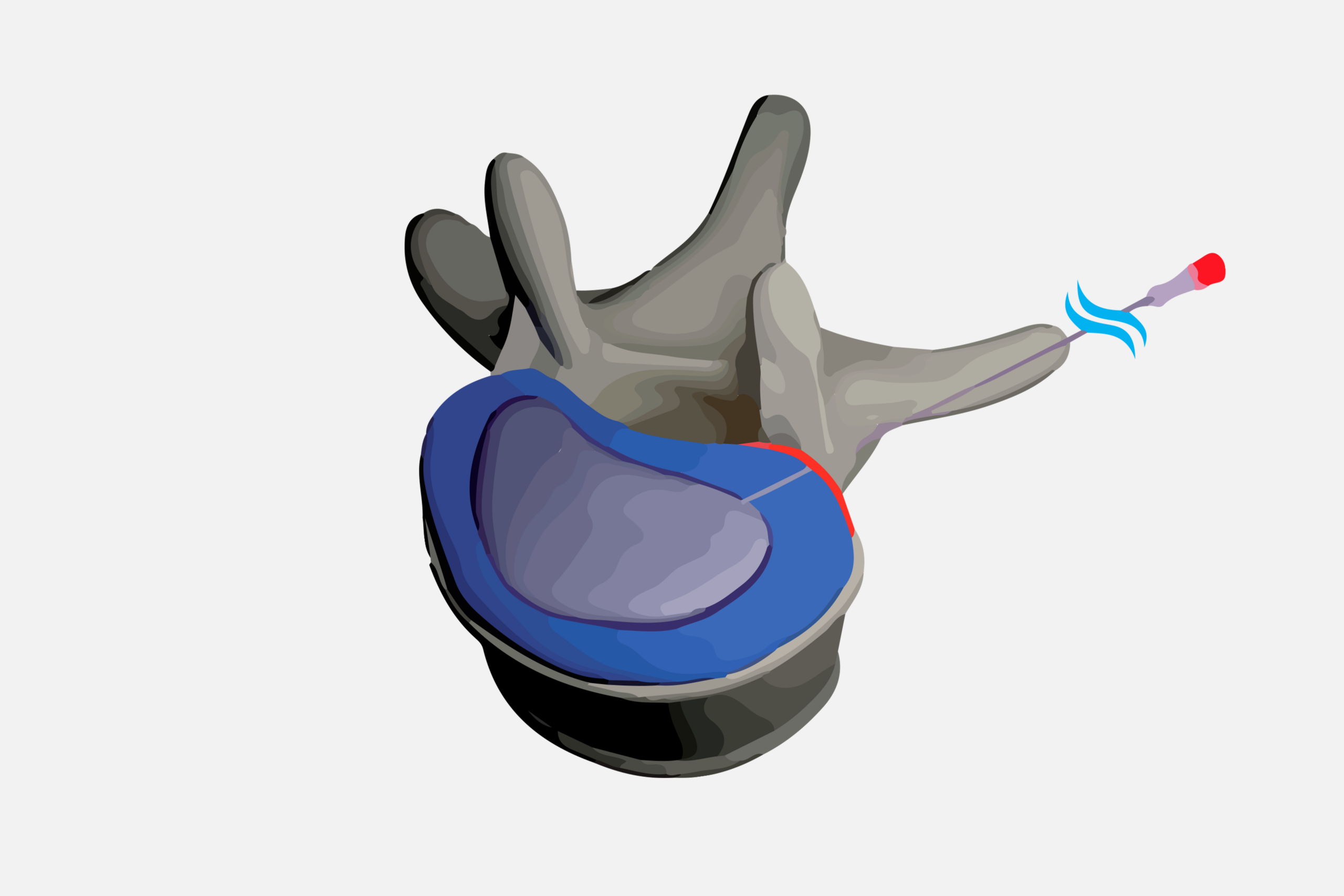
Resadisc is a percutaneous disc decompression technique that uses QMR (Quantum Molecular
Resonance) technology to ensure maximum safety during the procedure, as it prevents heat from being generated.
, this technique is indicated for the treatment of a contained lumbar disc herniation or a disc protrusion that causes
radiculopathy in the lower extremities.
Resadisc
Resadisc
Resadisc is a percutaneous disc decompression technique that uses QMR (Quantum Molecular
Resonance) technology to ensure maximum safety during the procedure, as it prevents heat from being generated.
, this technique is indicated for the treatment of a contained lumbar disc herniation or a disc protrusion that causes
radiculopathy in the lower extremities.
Technique
New, safer technology that works more effectively: QMR vaporization: Quantum Molecular
Resonance technology. This technology is based on breaking molecular bonds (generally hydrogen bonds) by
bombarding them with waves whose frequencies correspond to the same quantum of energy as that found in this molecular
bond, causing it to resonate and break. The advantage of breaking molecular bonds in this way is that it allows
the tissue to be vaporized without releasing heat and without raising the temperature of the surrounding tissues.
Some Thoughts on the Technique
This is a minimally invasive procedure (MIS); it is performed percutaneously, and the estimated duration of the technical
is 20–40 minutes. It is recommended that the patient be under conscious sedation during the procedure.
The level of sedation must be monitored, as the patient must remain awake. Due to these characteristics, the procedure can be performed on an outpatient basis at
, and, in principle, the patient does not need to be admitted to the hospital after the procedure.
The procedure is always performed in an operating room under appropriate sterile and aseptic conditions. Discitis is a
potential complication of any intradiscal procedure; antibiotic prophylaxis must always be used.
Advantages • A therapy capable of preserving the structure of surrounding tissues.
• Treatment precision: the decompression effect is limited to 1 mm from the electrode.
• Bipolar device with a minimally invasive approach.
• Quick mastery of the surgical technique.
• Reduced operating time.
• Rapid return to normal daily activities.
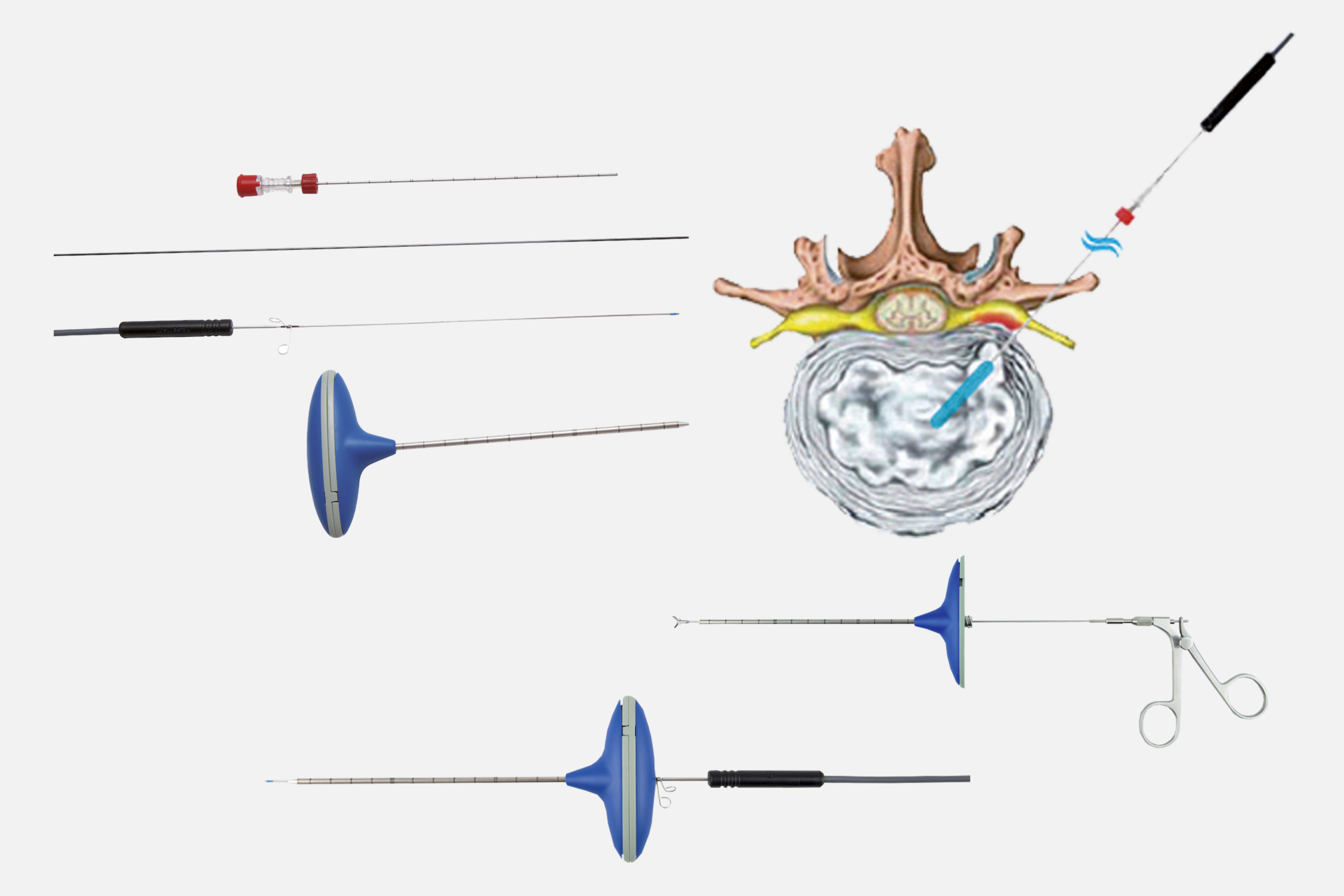
• Ability to perform microdiscectomy and biopsy extractions.
• Compatible with endoscopic technology
order=”0″ allow=”accelerometer; autoplay; clipboard-write; encrypted-media; gyroscope; picture-in-picture; web-share” allowfullscreen>