
Medical technology reduces complications, hospital stays and resource consumption
On the occasion of World Health Day, which will be celebrated on April 7, the Spanish company Cardiva is focusing on one of the great challenges of today’s healthcare system: effectively integrating existing technological innovation to improve health outcomes and ensure sustainability.
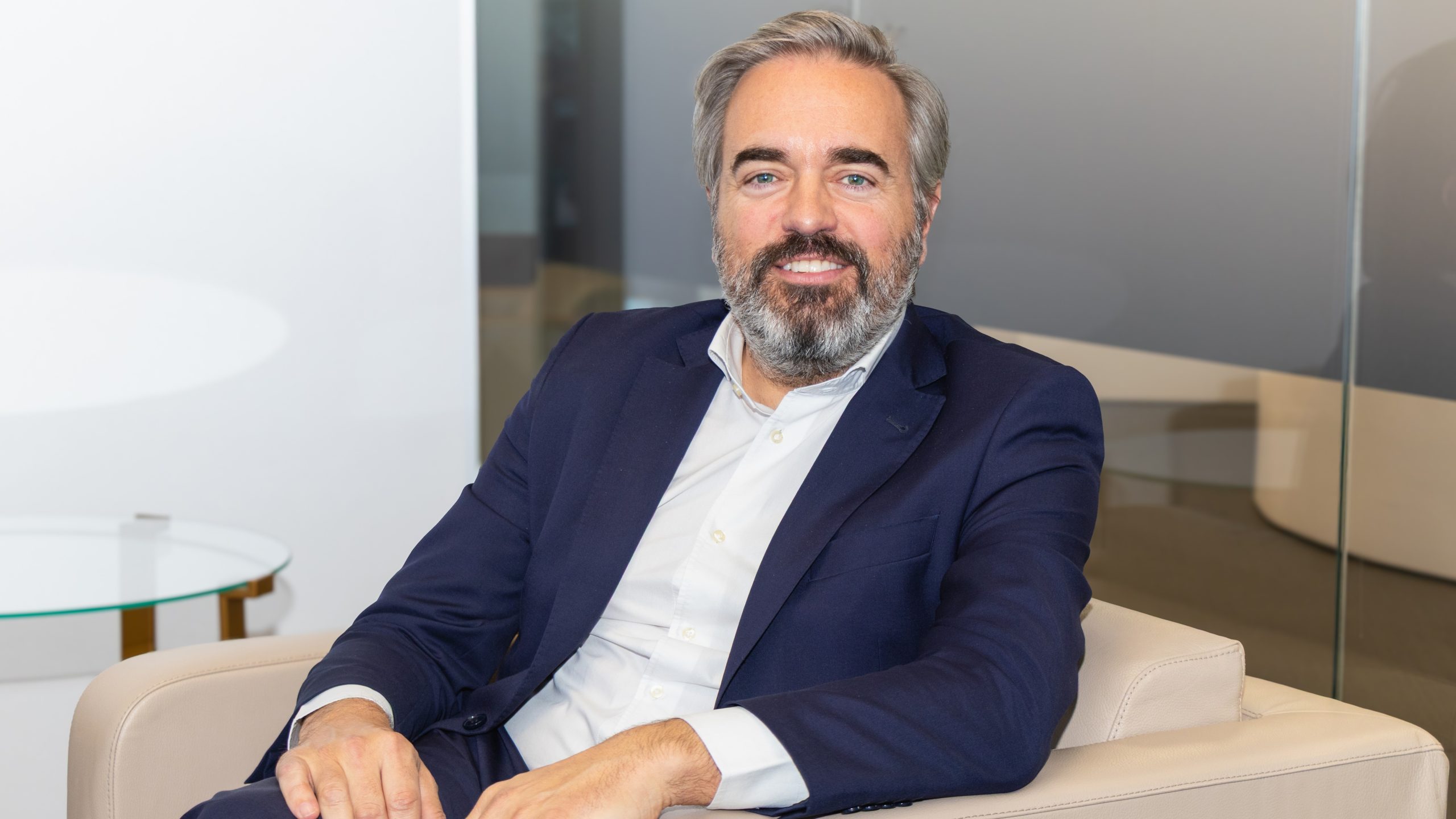
According to Javier del Río, director of Interventional Cardiology, Interventional and Neurovascular Cardiology, there is currently a “clear gap” between advances in medical technology and its actual implementation in hospitals. “Today we have solutions that allow us to intervene earlier, with greater precision and less risk. However, their adoption is not homogeneous and depends to a large extent on organizational and structural factors,” he points out.
Thus, the company stresses that the real challenge is not only technological, but structural. The lack of agility in the evaluation, purchasing and implementation processes limits the impact of tools that have already been shown to improve clinical practice. “When you integrate technology well, you reduce complications, shorten hospital stays and optimize resources. It is not an expense, it is an investment in clinical efficiency and sustainability,” stresses Del Río.
Immediate impact on lives and transformation
The role of medical devices is, according to the executive, a determining factor in both the survival and quality of life of people. In areas such as cardiology or stroke treatment, technologies such as stents, thrombectomy systems or advanced imaging solutions make it possible to act in a matter of minutes, radically changing the prognosis.
In addition, the evolution towards less invasive techniques, such as percutaneous ablation of tumors or advances in vascular access, “not only saves lives, but also reduces sequelae, accelerates recovery and allows the patient to return to normal life sooner”.
Cardiva warns that technology, applied in isolation, loses much of its transformative potential. “If it is introduced as a patch, it only alleviates the problem. But when it is integrated with organization and training, it transforms the system: it reduces avoidable admissions, re-interventions and the pressure of care,” says Del Río.
In a context marked by an aging population and an increase in chronic diseases, the company insists that technology is not optional, but essential to maintain the quality of care.
Invisible strength and talent of the Spanish industry
Despite their impact, medical devices remain less recognized than pharmacological treatments. “A drug is visible to people, but a device acts even without the patient being aware of it. However, they are essential: in many cases they make treatment possible,” says the specialist. However, Cardiva points to a change in the trend towards greater recognition, driven by an approach focused on health outcomes.
In this sense, the pandemic highlighted the need to strengthen European autonomy, opening up an opportunity for Spanish industry. “Our country has scientific talent and companies with a deep knowledge of the healthcare system. We can and must play a leading role,” says Del Río.
Cardiva is committed to a model that connects innovation with hospital reality: “Healthcare independence does not mean closing ourselves off, but being able to respond with agility, guarantee supply and provide solutions adapted to day-to-day clinical practice”.