
BSD Data Days brings together real-world data, artificial intelligence, and clinical evidence to drive innovation in healthcare
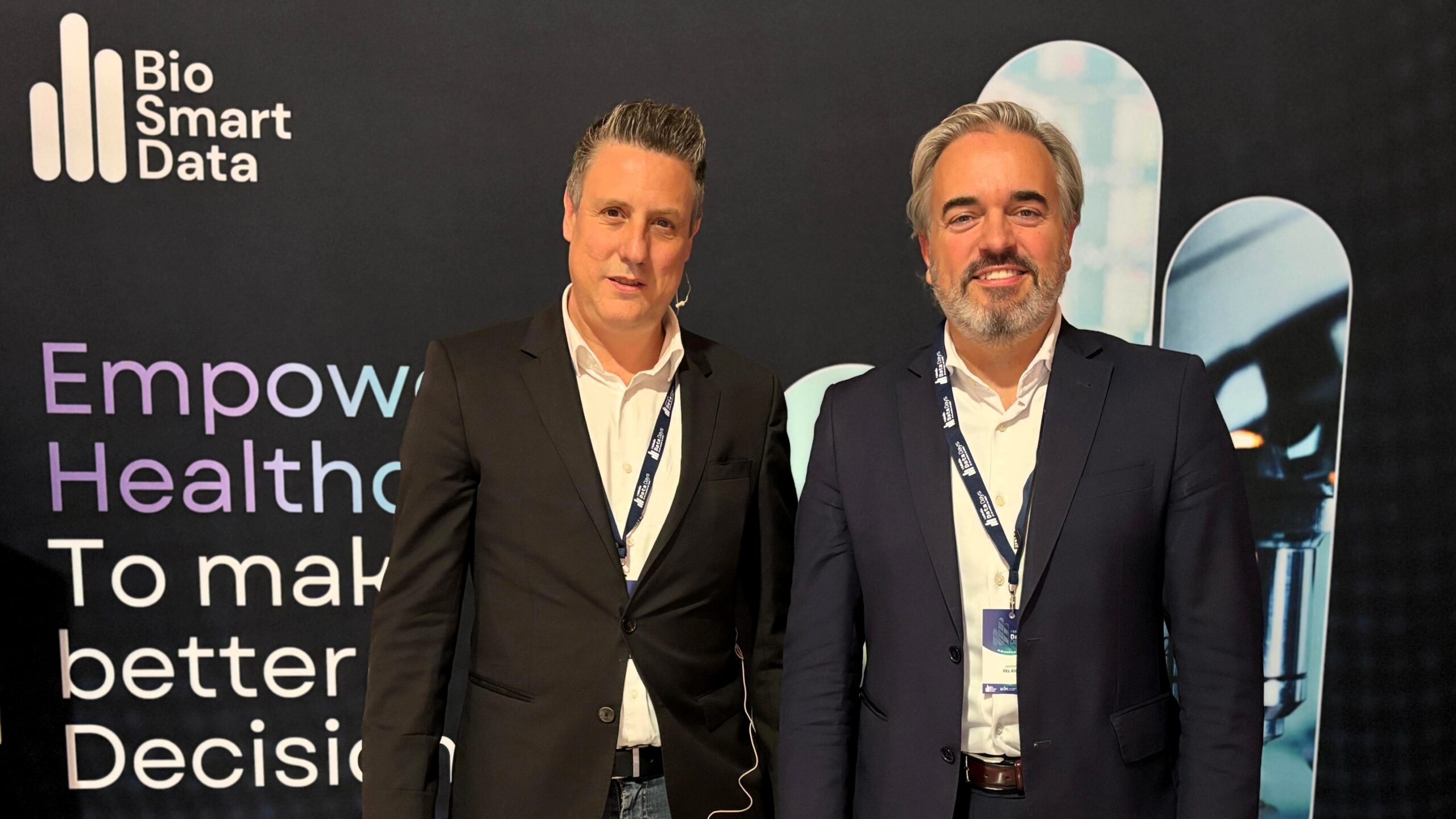
The first edition of BSD Data Days served as a forum to address one of the major challenges facing the healthcare system: transforming real-world clinical data into actionable evidence to improve decision-making and promote the adoption of innovations that add value for patients and healthcare professionals.
Organized by BioSmartData in collaboration with the Autonomous University of Madrid (UAM) and the Autonomous University of Madrid Foundation (FUAM), the conference was held in both in-person and online formats and brought together representatives from the fields of research, clinical practice, the healthcare industry, and the regulatory sector.
The program addressed key issues for the future of healthcare, ranging from artificial intelligence technologies applied to healthcare and real-world evidence (RWE) to regulation, ethics, and the challenges that influence the adoption of innovation.
Cardiva: Innovating to Create Value in Healthcare
One of the sessions focused on innovation in the healthcare industry and how to translate it into tangible value for the system. Javier del Río, director of Interventional Cardiology, Interventional Procedures, and Neurovascular Medicine at Cardiva, participated in this session and argued for the need to evaluate innovation based on its results and its actual contribution to healthcare.
“The healthcare industry creates value when it helps prevent disease, make better decisions, treat patients with better outcomes, and support them afterward. For that contribution to be recognized, we must agree on what we are going to measure and make it visible. Incorporating innovation also requires learning from the results and changing course when the evidence warrants it, as well as contracting based on value generated and cost rather than technical specifications and price,” he said.
In his remarks, he emphasized the importance of moving toward evaluation and procurement models that take into account the value generated and the results achieved, beyond the technical characteristics of a technology or its price. This perspective places clinical evidence and the measurement of outcomes at the center of decisions regarding healthcare innovation.
Turning Data into Better Clinical Decisions
“BSD Data Days was created with the goal of connecting those who generate, validate, regulate, and apply clinical evidence, thereby enabling the knowledge gained from clinical practice to contribute to more informed decisions,” says Juan Cifre, COO of BioSmartData.
The event highlighted the opportunities offered by real-world data and artificial intelligence to promote clinical research that is more closely aligned with patients’ realities and to foster the adoption of evidence-based innovation.